
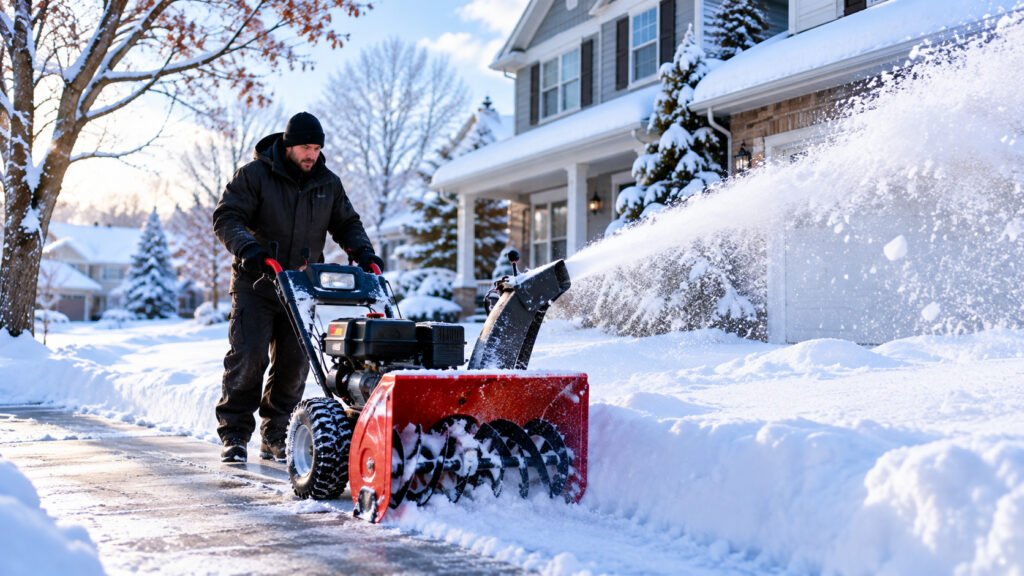
Residential Snow Removal: Best Practices & Local Services
There’s a specific kind of tired that comes from shoveling a driveway at 6 a.m. before work, only to look outside at noon and realize it’s snowing again. If you’ve lived in Amherst through more than one winter, you know exactly what I’m talking about. Lake-effect bands don’t care about your schedule, and they definitely don’t care that you already cleared the walkway twice yesterday.
We’ve spent enough winters clearing driveways, walkways, and parking areas around Amherst to know what actually works and what’s just extra effort for no real benefit.
This guide walks through what good residential snow removal looks like, what to expect from a service, and how to keep your property safe without wearing yourself out every time the forecast changes.
Quick Answer
Residential snow removal should happen before ice has a chance to bond to pavement, ideally during or right after a snowfall rather than after it’s been packed down by foot traffic or tires.
A reliable residential snow removal service combines timely plowing, walkway clearing, and ice management, and pricing typically depends on driveway size, snowfall frequency, and whether you choose per-visit or seasonal contracts.
Why Timing Matters More Than Most People Think
The biggest mistake we see homeowners make isn’t about equipment or technique; it’s timing. Snow that sits for a few hours and gets driven over or walked on compacts down and starts bonding to the pavement underneath.
Once that happens, you’re not just moving snow anymore; you’re chipping ice. That’s a completely different job, and it’s a lot harder on your back and your driveway surface.
Good residential snow removal happens early, often during a storm rather than waiting for it to fully stop. For anyone managing this themselves, that means checking conditions every few hours during a longer storm rather than doing one big push at the end.
For anyone using a service, this is exactly why professional plowing during active snowfall matters. It keeps ahead of the compaction problem instead of chasing it.
What a Professional Residential Snow Plowing Service Actually Does
When people search for residential snow plowing, they’re often picturing just the driveway. A full-service approach covers more ground than that. It typically includes the driveway, walkways to the front door, and sometimes side entrances or the path to a garage. Steps get special attention too, since that’s where most winter falls happen.
A decent crew will also handle the pile placement, meaning where the plowed snow ends up matters. Dumping it against a garage door or blocking a mailbox creates a second problem you didn’t have before.
We always think about drainage too, so that pile isn’t sitting somewhere it’ll melt and refreeze right back across the driveway on the next cold night.
Shoveling vs. Plowing vs. Snow Blowing: What Fits Your Property
Not every property needs the same approach, and this is where a little property-specific thinking goes a long way. A short driveway with light, regular snowfall might be perfectly manageable with a good shovel and consistent timing. A longer driveway, or one that gets heavier accumulation from wind drifting, usually calls for a plow or a snow blower to keep the work manageable.
Physical ability matters here too, and there’s no shame in saying so. Shoveling wet, heavy snow is genuinely hard on the heart and back, and it sends a fair number of people to urgent care every winter.
If that’s a real concern for you or someone in your household, this is one of the clearer cases where hiring residential snow removal services makes sense over doing it yourself.
Ice Management: The Part People Skip
Clearing snow is only half the job. Ice is the part that actually causes injuries, and it’s often invisible until someone’s already on the ground. Rock salt, calcium chloride, and sand all serve slightly different purposes: salt lowers the freezing point of water, calcium chloride works faster in colder temperatures, and sand adds traction without doing much for the ice itself.
We recommend applying ice melt before a storm when possible, not just after. A thin layer down early stops ice from bonding to the surface in the first place, which makes the eventual snow removal easier too.
If you’ve got pets, look for pet-safe formulations, since standard rock salt can irritate paws and isn’t something you want tracked into the house anyway.
How Much Residential Snow Removal Should Cost
Pricing for residential snow removal varies more than people expect, and it’s worth understanding why before you commit to anything. Driveway length and width are the biggest factors, followed by how often it snows in a given season and whether you’re paying per visit or locking in a seasonal contract.
Per-visit pricing tends to work better for homeowners in milder winters or those who want flexibility. Seasonal contracts often make more financial sense in a typical Western New York winter, where the number of storms adds up fast, and they take the guesswork out of budgeting.
If you’re comparing quotes for affordable residential snow removal, ask exactly what’s included- driveway only, or walkways and steps too- because that’s where prices between providers actually diverge.
What to Look for in a Residential Snow Removal Service Near You
Searching residential snow removal near me usually turns up a long list, and not all of them are equal. A few things separate a reliable service from one that’ll leave you calling around at 7 a.m. during a snowstorm looking for backup.
Ask about their response window during heavy snow events, since that’s when service quality actually gets tested. Ask whether they have backup equipment if a plow breaks down mid-route. Ask how they handle a surprise overnight dump versus a scheduled light snowfall.
Local experience counts for more than people give it credit for. A crew that’s worked Amherst winters for years understands which streets drift, which driveways ice over first based on sun exposure, and how our lake-effect bands tend to behave differently than a straightforward nor’easter. That local knowledge shows up in better timing and fewer surprises.
Preparing Your Property Before Winter Hits
A little prep work in the fall makes the whole winter easier, whether you’re handling snow yourself or hiring it out. Mark the edges of your driveway with stakes if it borders lawn or garden beds, so plows and shovels don’t accidentally tear up grass or mulch. Trim back any overhanging branches that could snap under snow weight and land where you’re trying to clear.
If you’re setting up a service contract, walk the property with them before the season starts. Point out anything fragile near the driveway edge, discuss where you want piles placed, and confirm what happens on holidays or during back-to-back storm days.
That conversation upfront saves a lot of confusion in January.
Safety Considerations for DIY Snow Removal
If you’re handling your own driveway and walkways, a few habits make a real difference. Push snow rather than lifting it whenever you can, since that’s much easier on your back. If you do need to lift, bend at the knees and keep the shovel load small rather than muscling through a full scoop every time.
Dress in layers, take breaks, and pay attention to how you’re feeling, especially during a long storm. Shoveling in cold temperatures raises heart rate and blood pressure more than people expect, and that combination is exactly what leads to cardiac events during winter storms.
If it feels like too much, it probably is, and that’s a reasonable moment to call in help rather than push through.
Signs It’s Time to Hire Help
Some homeowners handle their own snow for years and then hit a season where it just doesn’t work anymore, whether that’s a health change, a busier schedule, or simply getting tired of losing an hour every morning before work.
There’s no specific milestone that means you should switch. It’s more about being honest with yourself when the current approach stops being sustainable.
At Amherst Landscaping, we see this shift happen most often after someone’s first real health scare shoveling wet snow, or after a season where work travel made it impossible to keep up with an unpredictable storm schedule. Either reason is valid. A home snow removal service exists specifically for the seasons when doing it yourself stops making sense.
Bringing It All Together
Good residential snow removal comes down to a few consistent habits: clearing early rather than late, managing ice before it bonds to pavement, and matching your approach- shovel, blower, plow, or professional service — to what your property and your body can realistically handle through an Amherst winter. None of this requires overthinking it once you’ve got a routine that works.
Amherst Landscaping has spent enough winters on local driveways to know that the details matter as much as the equipment. Whether you’re managing snow yourself this year or looking into residential snow removal services for the first time, starting the season with a plan beats reacting to every storm as it hits.
Frequently Asked Questions
How often should my driveway be plowed during a storm?
For heavier or longer storms, plowing during the snowfall rather than waiting until it ends keeps snow from compacting and icing over. Light, short snowfalls can usually wait until the storm fully passes before clearing.
Is seasonal snow removal cheaper than paying per visit?
It depends on your typical winter. In a heavy snow season, seasonal contracts often work out cheaper and more predictable. In a lighter winter, per-visit pricing can save money since you’re only paying when snow actually falls.
What’s the difference between rock salt and calcium chloride?
Rock salt works well in moderate cold but loses effectiveness below about 15°F. Calcium chloride works faster and at lower temperatures, making it a better choice during Amherst’s coldest stretches, though it typically costs more per bag.
Can snow removal damage my lawn or driveway?
It can, if edges aren’t marked or equipment isn’t calibrated for your surface. Marking driveway borders with stakes before winter and confirming blade height with your provider both help prevent scraping and turf damage.
How do I know if I need a service versus doing it myself?
Consider your driveway size, physical ability, and schedule. If shoveling regularly feels unsafe, unsustainable, or simply impossible to keep up with during work hours, a residential snow removal service is a reasonable and common solution.
What should be included in a snow removal contract?
A clear contract should specify what’s cleared (driveway, walkways, steps), response time during storms, pricing structure, and how holidays or back-to-back storms are handled. Always confirm these details before the season starts.
Is it safe to use ice melt around pets and plants?
Standard rock salt can irritate pets’ paws and harm certain plants near the application area. Pet-safe, plant-safe ice melt formulations exist and are worth the extra cost if you have animals or garden beds near your driveway.
More from the blog
Emergency Snow Removal Service: Fast Response Solutions
The first big storm of the season never gives much warning. You go to bed with a dusting on the lawn and…
Read Article
Snow and Ice Management: Professional Services Explained
There's a difference between a guy with a plow truck and a real snow and ice management operation, and most property owners…
Read Article
Snow Removal Equipment & Tools: Complete Buyer’s Guide
If you've ever watched a plow truck fly past your commercial lot at 5 AM and wondered what it actually takes to…
Read Article