Landscape Maintenance: Year-Round Care for Your Property
Most yards in Amherst don’t fail all at once. They slip. A missed fall cleanup here, a mulch bed that never got refreshed there, and by next June the lawn is thin, and the shrubs look tired. We have worked enough seasons in Williamsville, Snyder, Eggertsville, and Getzville to know how that slide happens and how to stop it.
This guide comes from the crews at Amherst Landscaping, and it covers what landscape maintenance really involves in Western New York, what it costs, and how to pick someone who will do it right.
Nothing here is fancy. It is what works when you get lake-effect snow, a wet spring, and clay soil that holds water longer than you would like.
What Landscape Maintenance Includes
Landscape maintenance is the steady, repeating work that keeps a property healthy after the installation is done. Think of the difference between planting a tree and keeping that tree alive for thirty years.
It covers mowing and edging, bed care, pruning, weed control, fertilizing, and seasonal cleanups. Some owners hire out all of it. Others handle the mowing themselves and call a crew for the bigger jobs. Both approaches are fine. What matters is that someone is watching the whole property on a schedule, because small problems in a yard are cheap to fix and expensive to ignore.
A shrub with aphids in June needs a quick spray or a light prune. That same shrub dead in September means removal and replacement. Good landscape maintenance services are built around catching trouble early, with visits planned so nothing falls through the gaps between seasons.
Seasonal Landscape Maintenance Tasks
Here in Amherst, the calendar drives the work. Seasonal landscape maintenance starts in early spring, once the ground thaws and dries enough to walk on without leaving ruts. That is when we rake out matted grass, cut back perennials left standing over winter, and look over every bed for plants that heaved out of the ground during freeze and thaw cycles.
Late spring brings pre-emergent weed control, fresh mulch, and the first regular mowing. Summer is about steady care: weekly mowing, watering through dry stretches, and watching for pests and disease.
Early fall is the best window for overseeding and aeration, since cool nights and warm soil help new grass root. Then the leaves come down, and cleanup becomes the main job until the ground freezes, usually sometime in late November or December. Skipping a season doesn’t just pause progress. It usually sets you back, and spring is when you pay for it.
Lawn Care and Garden Bed Upkeep
Most lawns around here are cool-season grasses such as Kentucky bluegrass, fescue, and perennial ryegrass. They grow hard in spring and fall and slow down in July heat. Mow high, around three to four inches, and never remove more than a third of the blade at once. Taller grass shades the soil, which holds moisture and crowds out weeds.
Keep mower blades sharp, because a dull blade tears grass and leaves brown, ragged tips. Professional lawn maintenance also means aerating compacted soil and overseeding thin spots in early fall, which matters on clay lots where water sits on the surface. Garden beds need their own attention.
Edge them cleanly so grass doesn’t creep in, pull weeds while they are small, divide crowded perennials every few years, and cut back spent plants at the right time. A crisp bed edge does more for curb appeal than most people expect.
Tree, Shrub, and Plant Maintenance
Trees and shrubs are the long-term investment on most properties, so they deserve a plan. Prune shrubs according to when they bloom. Spring bloomers like lilac and forsythia get cut right after flowering, while panicle hydrangeas can be pruned in late winter. Cut at the wrong time, and you lose the flowers.
Oaks are a special case. Dormant-season pruning is the safer choice because of oak wilt risk, so we hold that work for winter. Young trees need regular watering through their first couple of summers, plus a ring of mulch that stays off the trunk.
Emerald ash borer is established in Erie County, so any ash tree on your property should be looked at by someone who knows what to check for. Large trees near the house or power lines are a job for a certified arborist, not a crew with a ladder and a pole saw. Knowing where our own work stops is part of doing it honestly.
Weed Control, Mulching, and Soil Care
Weeds are more often a symptom than a cause. Thin turf and bare soil invite them. We time pre-emergent applications to soil temperature instead of a date on the calendar, since crabgrass starts germinating once the soil warms to the mid-50s Fahrenheit. In beds, hand pulling and a layer of mulch do most of the work.
Spread mulch two to three inches deep and keep it pulled back from trunks and stems. Piled-up mulch holds moisture against bark and invites rot, and those mulch volcanoes are everywhere. Soil matters just as much. Much of the Buffalo area sits on heavy clay, which drains slowly and compacts easily.
A soil test through Cornell’s extension program tells you the pH and nutrient levels, so you aren’t guessing with fertilizer. Compost worked into beds improves soil structure over time, and it costs very little compared with replacing plants that never took.
Preparing Your Landscape for Winter
Winter prep is where Amherst property owners gain the most for the least effort. Start with leaves. A heavy mat left on turf all winter smothers the grass and invites snow mold, so mulch them with the mower or haul them off. Cut back perennials, wrap tender shrubs, and give trees a deep watering before the ground freezes if fall has been dry.
Evergreens near roads and driveways take a beating from salt spray and wind, and a burlap screen helps. Have irrigation lines blown out before a hard freeze, because trapped water cracks pipes and sprinkler heads. Stake young trees that bend under snow load.
Mark bed edges and hydrants so plow drivers know what is there. And try not to pile salty snow onto planting beds, since the runoff in March can burn roots. Good landscape maintenance doesn’t stop when the snow starts. It just changes shape.
Professional Landscape Maintenance vs. DIY
Plenty of people handle their own yard well, and there is no shame in it. Mowing, edging, and weeding are learnable, and some folks find them relaxing. The trade-off is time and equipment. A solid mower, trimmer, blower, and aerator add up, and every one of them needs storage and repair.
Professionals bring commercial gear, a set schedule, and the experience to spot trouble early. Some jobs lean toward hiring out. In New York, commercial pesticide applicators have to be DEC certified, so that work belongs with licensed people. Large tree work, drainage fixes, and anything involving heavy equipment fall in the same bucket. For commercial landscape maintenance at offices, condo associations, and retail lots, the math changes again.
Liability, appearance standards, and snow coordination make one reliable contractor worth a lot. For most homes, a hybrid works best: you mow, and a crew handles the big seasonal pushes.
Landscape Maintenance Costs and Choosing the Right Provider
Prices vary widely, and anyone who quotes a flat number without seeing your property is guessing. Lot size, number of beds, slope, tree count, and how often you want visits all move the price.
Landscaping care plans that cover the whole year often cost less per visit than one-off calls, and they put you on a steady schedule. When you compare bids, ask what each visit includes, whether cleanup and debris disposal are covered, and how rain delays are handled. Ask for proof of liability insurance and, if pesticides are involved, the DEC applicator certification.
Read reviews on the Google Business Profile, including the negative ones, because how a company answers a complaint tells you plenty. Drive past a few properties they maintain. Any good contractor, including us at Amherst Landscaping, should be glad to answer all of this before you sign anything. If your yard needs a plan, a short conversation with the crew at Amherst Landscaping is a fair place to start.
Frequently Asked Questions
How often should landscape maintenance happen in Amherst?
Most properties need weekly visits from about May through September, when grass grows fastest. Spring and fall cleanups are separate, larger visits. Beds, pruning, and weed control follow their own timing, so a good plan spells out which tasks happen in which month.
When should I start spring cleanup in Western New York?
Start once the soil is dry enough that walking on it leaves no footprints, often in April in Amherst. Working wet ground compacts clay soil and damages new growth. If you can squeeze water out of a handful of soil, wait a few more days.
How tall should I mow my lawn?
Aim for three to four inches for cool-season lawns, and remove no more than one-third of the blade per mowing. Taller grass shades the soil, holds moisture, and crowds out weeds. Sharp blades matter too, since dull ones tear the grass.
How much mulch should I put around plants?
Two to three inches is enough. Thicker layers can suffocate roots and hold moisture against bark. Keep mulch a few inches away from trunks and stems, and refresh it once a year rather than piling new layers on top of old ones.
Is professional lawn maintenance worth the cost?
It depends on your time and equipment. Professionals work faster, spot problems early, and are certified for pesticide applications in New York. Many homeowners mow themselves and hire out aeration and fall cleanup, which is a reasonable split.
When should I winterize my irrigation system?
Do it before the first hard freeze, usually by late October or early November in Western New York. Water left in the lines expands as it freezes and cracks pipes and sprinkler heads. A professional blowout with compressed air clears the lines.
What should a landscape maintenance contract include?
Look for visit frequency, a task list, seasonal cleanups, debris disposal, and how rain delays are handled. It should also state the price and the term. Ask for proof of liability insurance before signing anything.
More from the blog
Professional Landscaping Services: Transform Your Outdoor Space
A beautiful outdoor space can make your property more inviting, functional, and enjoyable throughout the year. From a healthy green lawn and…
Read Article
Emergency Snow Removal Service: Fast Response Solutions
The first big storm of the season never gives much warning. You go to bed with a dusting on the lawn and…
Read Article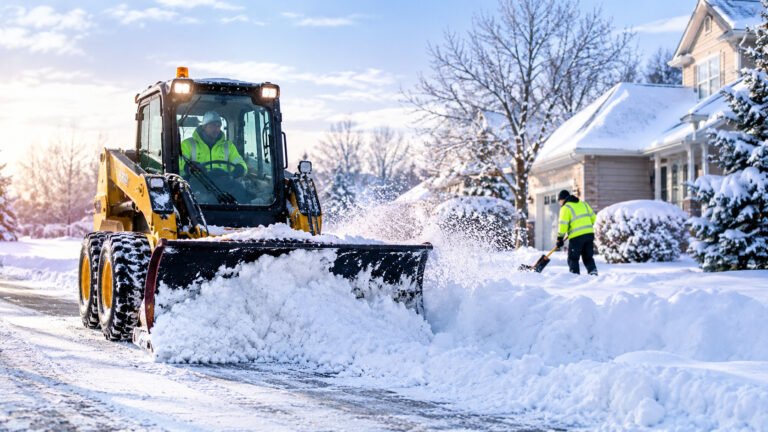
Snow and Ice Management: Professional Services Explained
There's a difference between a guy with a plow truck and a real snow and ice management operation, and most property owners…
Read Article