Landscape Design Ideas: Transform Your Yard Professionally
Buffalo yards work hard. They take lake-effect snow, clay soil that holds water, and a growing season that starts late and ends fast. If you are researching landscaping in Buffalo, NY, you probably want a yard that looks good in July and still stands up after February. That takes planning before anyone picks out a shrub.
We build and maintain outdoor spaces in Amherst and the towns around it, and the jobs that turn out best all begin with an honest look at what the property is already doing. This guide covers the landscape design ideas we talk through with homeowners, what holds up in Western New York, and where people tend to go wrong.
The crew at Amherst Landscaping wrote it from the field, not from a catalog.
Assessing Your Yard and Planning the Landscape Design
Walk the yard first. Do it after a hard rain if you can. Where water pools tells you more than any drawing will. In Amherst and Williamsville, much of the soil is clay, so a puddle that sits for a day or two points to a drainage problem, not bad luck.
Note where the sun lands in the morning and late afternoon, because a spot with six hours of sun supports different plants than a spot under a mature maple. Check the slope, the downspouts, and any easements on your survey. Call 811 at least two full working days before you dig, since New York requires it.
Then write down how your family really uses the yard. A plan built around daily habits beats one built around a photo. A professional landscape design starts with this kind of survey, and you can do a rough version yourself before calling anyone.
Popular Landscape Design Styles for Your Property
Most yards around here fit one of a few styles. Traditional designs use clipped hedges, rounded beds, and a lawn that anchors everything. Cottage style is looser, with perennials spilling over the edges of the beds.
Modern landscape design goes the other direction, with straight lines, a short plant list, and large blocks of one material, often paired with ornamental grasses and bluestone or concrete pavers. Naturalistic yards lean on native plants and rain gardens, which suit lots that stay wet near creeks.
Pick the style that fits your house first. A sleek, minimal yard beside a 1950s brick colonial usually looks off, and a busy cottage garden can swallow a low contemporary home. The landscape design trends we hear about most from Amherst homeowners are native plantings, smaller lawns, and warm, low lighting.
Trends come and go, so choose what you will still like in ten years.
Choosing the Right Plants, Trees, and Shrubs
Plant choice decides how much work you will do for the next decade. Buffalo falls between hardiness zones 6b and 7a depending on the map and how close you are to the lake, and we still pick plants rated to zone 5 to leave a cushion after a rough winter.
Serviceberry, river birch, panicle hydrangea, ninebark, coneflower, and switchgrass all do well here. Boxwood often shows winter burn, so give it a sheltered spot. Hostas and arborvitae are deer favorites in the wooded pockets of Amherst and Clarence, which matters if you do not want to feed them. Salt from plowed driveways burns tender plants fast, so keep those away from the edge. Junipers and daylilies tolerate it better.
Always read the mature size on the tag. A shrub that stays four feet wide in the nursery pot can reach eight feet wide in your bed. Good landscaping buffalo ny work starts with the right plant in the right spot.
Incorporating Patios, Walkways, and Hardscape Features
Frost goes down about 42 inches in Erie County, and that shapes every hardscape job we do. The base under a patio matters more than the stone on top. We use compacted crushed stone, at least six inches deep, and we pitch the surface about a quarter inch per foot so water runs away from the house.
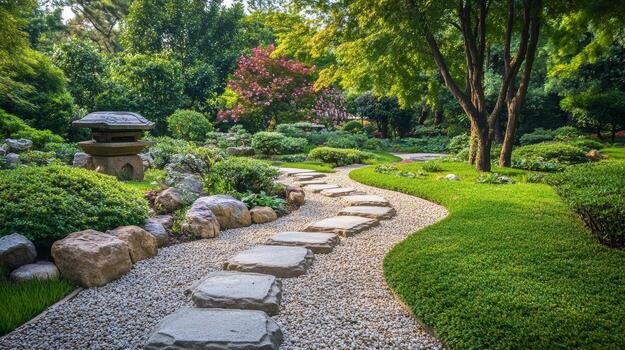
Skip that step and the patio will heave and settle within a few winters. Pavers, bluestone, and poured concrete all work in our climate, and each has a different cost and look. Pavers are easy to repair. Bluestone has a natural color that suits older Amherst homes. Walkways feel right at about three feet wide, wide enough for two people to walk side by side.
Taller retaining walls often need engineering and a permit, so ask your town before you build one. Hardscape lasts for decades when the base is done right, and it fails early when it is not.
Creating Functional and Attractive Outdoor Living Spaces
Think of the yard as outdoor rooms. A dining area works best close to the kitchen door, since nobody wants to carry plates across the lawn. A fire pit area needs space around it and distance from the house and from overhanging branches, and you should check local rules before you build one.
Wind in Buffalo usually comes from the west, so a few evergreens on that side make a patio far more comfortable in spring and fall. At Amherst Landscaping, we ask homeowners to sit in the spot where they plan to put the seating before we draw anything, because a view you love at noon can face a neighbor’s garage at dusk.
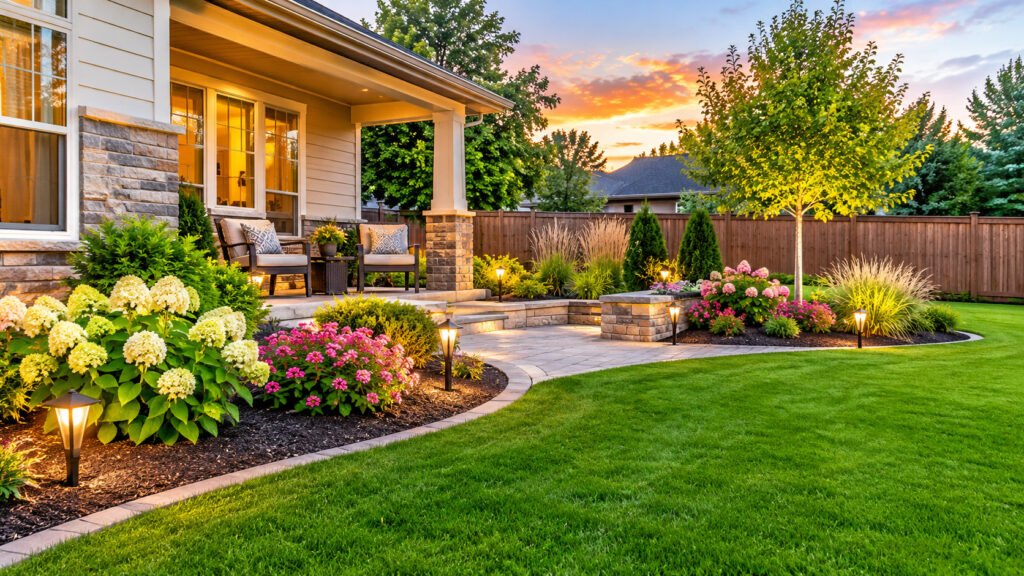
Lighting extends the season. Low-voltage path lights and a few soft spotlights on trees do the job without turning the yard into a stage. Many backyard landscaping ideas look great online but do not match the way you live, so build the space around what you actually do out there.
Landscape Design Ideas for Small Yards
Narrow lots are common in Snyder and Eggertsville, and a small yard can still feel generous. Keep the design simple. One clear focal point, such as a small tree or a bench, gives the eye a place to land.
Curved bed lines make a space feel longer than straight ones. Choose dwarf and compact varieties, so plants do not outgrow the bed in three years. Grow up when you cannot grow out, using trellises, tall grasses, and columnar shrubs along fences. Light paving and a tight color palette also help a small space feel open. Raised beds and large containers let you grow vegetables or flowers without cutting up the lawn.
Resist the urge to add one of everything. In a small yard, ten well-chosen plants look better than thirty that compete with each other. Many of the best backyard landscaping ideas for tight spaces come down to restraint.
Improving Curb Appeal with Garden Beds and Decorative Features
Your front yard is what neighbors, guests, and future buyers see first. Start with the beds along the foundation. Layer plants by height, with tall ones at the back or corners, mid-size shrubs in the middle, and low perennials up front. Include a few evergreens so the beds do not look empty in January.
Cut a clean edge between lawn and bed, and spread mulch two to three inches deep. Keep it a few inches away from tree trunks, because piling it against the bark invites rot and pests. A well-lit front walk, a good house number, and a tidy entry matter more than most people expect.
Containers by the door add color without a big commitment. Curb appeal does not require a large budget, but it does require a plan. Many landscaping Buffalo, NY projects we see begin as a simple front-bed refresh that grows into something bigger.
Planning a Low-Maintenance, Year-Round Landscape
Low maintenance does not mean no maintenance. Every yard needs spring cleanup, a mulch refresh, and some pruning. Good design just cuts the hours. Group plants by their water needs so you are not hauling a hose to one corner.
Choose plants for interest in all four seasons, such as hellebores and bulbs for early spring, hydrangeas in summer, grasses in fall, and red twig dogwood for winter color. Think about where the plow will push snow, and do not plant small shrubs there.
Salt and weight will damage them. Drip irrigation or soaker hoses save water and keep leaves dry, which helps with disease. A dense layer of mulch cuts down on weeds. Keep the lawn a size you are willing to mow. A smaller lawn with bigger beds usually costs less to maintain over time, and it gives birds and pollinators more to work with.
Common Landscape Design Mistakes to Avoid
We see the same mistakes again and again. People plant too close together and then fight overgrown shrubs. They ignore drainage, so water ends up against the foundation. They buy plants for the sun they wish they had, not the sun they have.
They skip the stone base under a patio to save money, and the patio shifts within a couple of winters. They pile mulch against trunks. They plant in July heat and then wonder why things struggle. They also build everything at once on a budget that cannot support it. Phasing the work over two or three seasons is often smarter, and it lets you adjust as you learn how the space is used.
Finally, many homeowners forget about snow. A beautiful bed that gets buried under a plow pile every February will not last. Plan for the worst week of winter, and the rest of the year takes care of itself.
Hiring Professional Landscape Designers vs. DIY Landscaping
Plenty of work is fine to do yourself. Planting beds, spreading mulch, and installing a small set of pavers are all reasonable weekend projects. Hire a pro when the job involves grading, drainage, retaining walls, large trees, or electrical lighting. Mistakes in those areas cost much more to fix than they would have cost to do right.
When you compare professional landscape design options, ask for a written estimate, proof of insurance, and a few photos of finished local work. Check the contractor’s Google Business Profile for a real address, steady reviews over time, and pictures that match the job you want.
A contractor who has worked in your town will know the soil, the permit office, and what survives a Lake Erie winter. Amherst Landscaping encourages every homeowner to get at least two quotes and compare what each one includes, not just the bottom line. A fair price from someone who answers your questions is worth more than the lowest bid.
Frequently Asked Questions
How much does landscape design cost in the Buffalo area?
Fees vary widely with the size of the project. A simple consultation and sketch costs far less than a full plan with plant lists and construction details. Ask for a written scope and price before work begins, and compare what each quote includes.
When is the best time to plant in Western New York?
Spring, once the ground thaws, and early fall are the best windows. Cooler air and steady moisture help roots settle in. Avoid midsummer unless you can water deeply and often, because new plants struggle in July and August heat.
Do I need a permit for a patio or fence in Amherst?
Fences and some structures often need a permit, and rules differ by town. A ground-level patio may not, but setbacks and drainage rules can still apply. Call your town building department before you start so you do not have to redo anything.
Which plants handle Buffalo winters and road salt?
Serviceberry, ninebark, panicle hydrangea, switchgrass, and daylilies handle our winters well, and junipers tolerate salt better than most. Keep salt-sensitive plants away from the driveway edge and from spots where the plow pushes snow.
How can I make a small backyard feel bigger?
Use curved bed lines, one clear focal point, and plants of different heights. Keep the color palette tight. Light paving and good lighting also help a small space feel open, even after dark.
Is a low-maintenance landscape really maintenance-free?
No. Even simple yards need a spring cleanup, a mulch refresh, and some pruning. Good design reduces the hours by matching each plant to its spot and keeping beds at a size you can realistically manage.
How do I choose a landscape designer near me?
Look for a local address, proof of insurance, a written estimate, and photos of finished local work. Read recent reviews on their Google Business Profile, and ask how they handle drainage problems and winter damage.
More from the blog
Landscape Maintenance: Year-Round Care for Your Property
Most yards in Amherst don't fail all at once. They slip. A missed fall cleanup here, a mulch bed that never got…
Read Article
Professional Landscaping Services: Transform Your Outdoor Space
A beautiful outdoor space can make your property more inviting, functional, and enjoyable throughout the year. From a healthy green lawn and…
Read Article
Emergency Snow Removal Service: Fast Response Solutions
The first big storm of the season never gives much warning. You go to bed with a dusting on the lawn and…
Read Article