
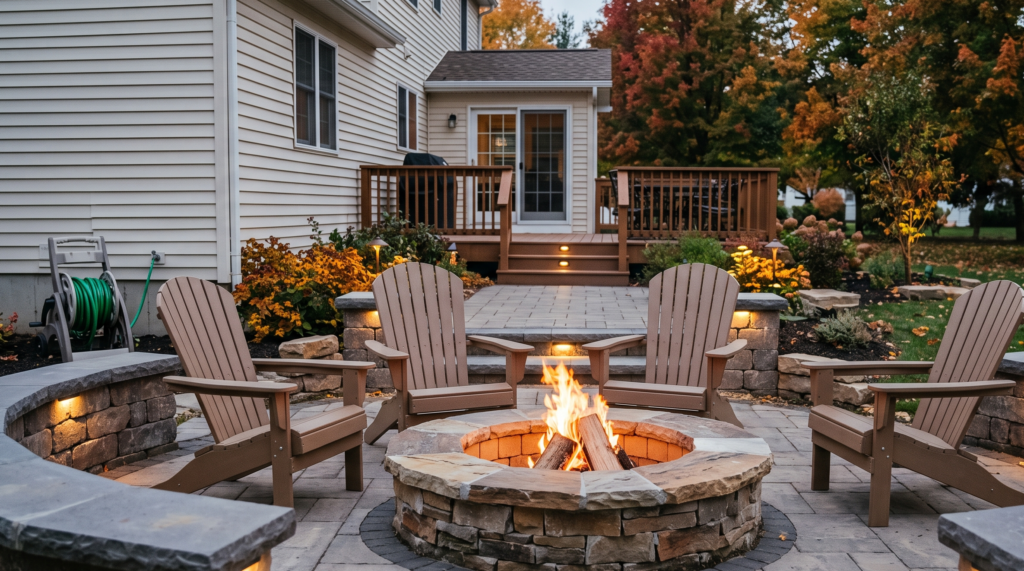
Backyard Fire Pit Rules in the Town of Amherst: The Complete Homeowner Guide
There is nothing quite like spending a crisp Western New York evening gathered around a crackling fire on your patio. Whether you are roasting marshmallows with family or unwinding after a busy week, a well-designed fire feature instantly transforms your outdoor living area. However, before lighting kindling or breaking ground on a new patio installation, understanding the backyard fire pit rules in the Town of Amherst is essential for keeping your property safe, neighborhood-friendly, and fully code-compliant.
Local fire prevention codes and New York State uniform building standards exist to protect residential properties from accidental fires, reduce excessive smoke emissions, and preserve neighborhood air quality. As professional hardscape contractors and landscape designers serving homeowners across Amherst, Williamsville, and Erie County, we help property owners navigate local municipal ordinances, setback clearances, and proper construction methods.
Below is the definitive homeowner guide to Amherst outdoor fire regulations, covering legal burn parameters, setback dimensions, material choices, and code-compliant hardscape integration.
1. Amherst Municipal Fire Codes: Portable vs. Permanent Fire Pits
The Town of Amherst enforces outdoor fire standards based on the Fire Code of New York State (Section 307 – Open Burning and Recreational Fires). These codes draw a clear legal line between open bonfires (which require special permits) and contained recreational fire units.
┌──────────────────────────────────────────────────────────────┐
│ AMHERST RULES AT A GLANCE │
│ • Clearances: 15 ft (portable/contained) | 25 ft (open ring) │
│ • Max Size: 3 feet in diameter, 2 feet in fuel stack height │
│ • Allowed Fuels: Seasoned wood, commercial charcoal, LP/gas │
│ • Prohibited: Leaves, brush piles, treated lumber, trash │
│ • Supervision: Adult (18+) present until completely cold │
│ • Extinguishment: Pressurized hose or 4-A extinguisher ready │
└──────────────────────────────────────────────────────────────┘
Recreational Fires and Portable Fire Bowls
A recreational fire is defined as an outdoor fire burning clean, seasoned firewood, charcoal, or LP/natural gas inside a designated vessel with a total fuel area of 3 feet or less in diameter and 2 feet or less in height.
- Permit Status: Portable, store-bought metal fire bowls, chimineas, and smokeless fire pits do not require an open burning permit when used on private residential property.
- Spark Arrestors: Portable wood-burning units should always be operated with an ember-arresting wire mesh screen to catch floating sparks before they reach dry lawns or roof shingles.
Permanent Masonry & Custom Gas Features
If you are designing a permanent masonry fire circle, stone fire table, or outdoor fireplace built into a paver patio:
- Zoning & Property Setbacks: Permanent hardscapes must respect property line setback rules and avoid municipal utility easements.
- Gas Line Permits: Connecting a fire pit directly to your home’s natural gas line or an underground propane tank requires mechanical and plumbing permits from the Town of Amherst Building Department. All trenching and pressure testing must be performed by a licensed contractor.
Frequently Asked Questions
Do I need a town permit to use a standard portable fire pit in Amherst?
No. If you are burning clean firewood in an approved portable container with a spark screen and maintaining proper setback distances, no municipal permit is required.
When is a building permit required for an outdoor fire pit?
A permit is mandatory if you are running underground natural gas piping, electrical conduits for ignition systems, or building large structural masonry fireplaces tied into covered patio roofs.
2. Setback Distances and Safety Clearance Requirements
Maintaining adequate physical distance between open flames and combustible building materials is the single most critical safety requirement.
| Feature Type | Minimum Distance to Combustible Structures | Required Subsurface Base |
| Contained Portable Wood Pit | 15 Feet Minimum | Interlocking pavers, pea gravel, bare concrete |
| Open Built-In Masonry Pit | 20–25 Feet Minimum | Firebrick interior core on concrete footing |
| Natural Gas / Propane Fire Table | 10–15 Feet (Follow manufacturer label) | Paver patio, stone terrace, fire pad on deck |
| Uncontained Bonfire (Ceremonial) | 50 Feet (Town Burn Permit Required) | Mineral soil or open gravel bed |
Practical Placement Guidelines
- Overhead Clearances: Never locate a fire pit beneath low tree limbs, pergola rafters, covered porch awnings, or utility power lines. Keep a minimum vertical clearance of 15 to 20 feet clear of foliage.
- Deck Placement Warning: Never place a wood-burning fire pit directly onto a wooden or composite deck. Radiant downward heat can char substructure joists and warp composite decking boards. Gas-fueled tables with manufacturer-approved thermal heat shields are the only fire features safe for deck installation.
Frequently Asked Questions
How far must a fire pit be from my property fence or shed?
You must keep a wood-burning fire feature at least 15 to 25 feet away from all combustible materials, which includes wooden privacy fences, neighbors’ storage sheds, and vinyl property borders.
Can I put a smokeless fire pit on my grass lawn?
It is not recommended. Even elevated smokeless fire pits radiate intense heat downward that will scorch and kill grass roots. Always place the unit on concrete pavers, crushed bluestone, or a dedicated fire pit heat mat.
3. Approved vs. Prohibited Fire Pit Fuels
The New York State Department of Environmental Conservation (NYS DEC) and Amherst town codes regulate fuel sources to protect public health and air quality.
Approved Burning Materials
- Seasoned Hardwoods: Oak, maple, hickory, ash, and beech dried to below 20% moisture produce maximum heat, long-lasting coals, and very little smoke.
- Kiln-Dried Firewood: Readily available from Western New York firewood suppliers, kiln-dried logs ignite quickly and burn cleanly.
- Commercial Charcoal: Lump hardwood charcoal and charcoal briquettes.
- Propane & Natural Gas: Clean, spark-free fuels ideal for smoke-free backyard entertainment.
Strictly Prohibited Materials
Burning unauthorized waste creates toxic emissions and violates municipal nuisance codes:
- Leaves, Brush, and Yard Refuse: Burning garden trimmings or leaf piles is illegal in residential zones; it creates thick, irritating smoke. Use municipal curbside yard waste pickup instead.
- Treated or Painted Lumber: Pressure-treated deck boards, stained wood, and plywood release toxic arsenic and chemical adhesives when burned.
- Household Trash & Plastics: Burning plastic packaging, rubber, or trash is strictly prohibited by NYS environmental conservation law.
Frequently Asked Questions
Is burning autumn leaves in a backyard fire pit allowed in Amherst?
No. NYS DEC regulations strictly prohibit burning loose leaves or leaf piles in residential suburban areas.
Can I burn leftover construction scraps and wooden pallets?
No. Dimensional construction scrap is often chemically treated, painted, or glued, all of which release toxic smoke prohibited by state air quality laws.
4. Operational Safety and Extinguishment Protocols
Proper fire pit management requires continuous adult oversight from ignition until the coals are completely cold.
┌──────────────────────────────────────────────────┐
│ SAFE OPERATION CHECKLIST │
│ │
│ 1. Check wind speed (never burn above 10-15 mph) │
│ 2. Clear a 5-foot perimeter of dry debris │
│ 3. Station a pressurized water hose nearby │
│ 4. Designate a sober adult supervisor (18+) │
│ 5. Douse, stir, and cool coals completely │
└──────────────────────────────────────────────────┘
Essential Safety Rules
- Continuous Adult Supervision: Fires must never be left unattended. An adult (18 years or older) must actively monitor the flame at all times.
- Immediate Fire Suppression on Site: Keep extinguishing tools within arm’s reach before striking a match:
- A connected, pressurized garden hose with an adjustable spray nozzle.
- A 5-gallon bucket of water or clean sand.
- A certified Class 4-A or 20-B:C dry-chemical fire extinguisher.
- Wind Speed Awareness: Do not burn if sustained winds or gusts exceed 10 to 15 mph. Wind currents can carry embers onto neighboring rooftops or dry shrubbery.
- Child & Pet Safety Zone: Establish a 3- to 5-foot safety buffer around the fire pit ring to avoid accidental contact burns or tripping hazards.
Safe Extinguishment Method
Thoroughly douse burning logs and coals with water, turn the embers with a metal shovel or poker, and douse again. Hold your hand a few inches above the bed—if you detect radiating heat or see rising steam, continue soaking until the coals are completely cool to the touch.
Frequently Asked Questions
How do I safely dispose of cooled fireplace or fire pit ashes?
Allow ashes to rest for 24 to 48 hours, shovel them into an all-metal bucket with a secure lid, and store the bucket on concrete or stone away from wood walls and siding.
What should I do if the fire begins blowing heavy sparks toward my house?
Immediately place the spark arrestor screen over the pit, use the fine-mist setting on your hose to suppress airborne embers, and let the fire extinguish.
5. Smoke Management & Neighborhood Courtesy
In suburban Amherst neighborhoods, properties sit close together. Even when a fire pit meets all physical clearance rules, dense smoke entering an adjacent home can trigger a nuisance complaint to local emergency services.
Strategies for Clean, Smoke-Free Burning
- Burn Only Dry, Seasoned Wood: Wet firewood produces heavy smoke and creosote buildup. Check your wood with a moisture meter to ensure it is under 20%.
- Check Wind Direction: Take note of wind patterns before lighting. If the breeze blows straight into a neighbor’s patio or open windows, postpone your fire.
- Upgrade to a Secondary-Combustion Pit: Double-wall smokeless units preheat secondary air to re-ignite wood gases before they escape the chamber, reducing visible smoke by up to 80%.
- Select Natural Gas for Zero Particulates: A natural gas or propane fire table provides clean warmth with zero smoke, sparks, or flying embers.
Frequently Asked Questions
Can police or fire officials extinguish my fire pit if a neighbor complains?
Yes. Under local municipal codes, responding fire or police personnel have full authority to order any fire extinguished if it produces hazardous smoke or creates a neighborhood nuisance.
How do I build a fire that produces minimal smoke from the start?
Use the “top-down” fire building method: place larger seasoned logs at the bottom, smaller kindling in the middle, and fire-starter chips on top. This burns cleanly downward and warms the flue air rapidly, reducing initial smoke.
6. Designing a Code-Compliant Fire Pit Patio
Integrating a permanent fire pit into your landscape architecture transforms your backyard into an inviting outdoor living destination. Proper design balances aesthetic beauty, comfortable circulation, and safety code compliance.
┌──────────────────────────────────────────────┐
│ PATIO FIRE PIT CIRCULATION ZONE │
│ │
│ [ Residential Structure ] │
│ │ │
│ │ (20+ ft Clearance) │
│ ▼ │
│ ┌───────────────┐ │
│ │ Built-in Fire │ ── 3-4 ft Clearance │
│ │ Pit Circle │ │
│ └───────────────┘ │
│ ▲ ▲ │
│ Adirondack Integrated Stone │
│ Seating Seat Wall │
└──────────────────────────────────────────────┘
Key Elements of Fire Feature Hardscaping
- Durable, Flame-Resistant Paving: Construct the surrounding patio with interlocking concrete pavers, natural bluestone, or granite flagstone. These non-combustible materials withstand high temperatures and intense freeze-thaw cycles.
- Thermal Core Construction: Permanent masonry fire pits require a refractory firebrick inner lining set with heat-tolerant refractory mortar. This protects the outer decorative stone or retaining wall block from cracking under intense thermal stress.
- Curved Hardscape Seat Walls: A curved retaining wall or seat wall provides permanent, weather-resistant seating. For optimal comfort and safety, position seat walls 3 to 4 feet away from the outer lip of the fire pit ring.
- Low-Voltage Hardscape Lighting: Integrate subtle under-cap LED lights beneath seat walls and step lights along patio borders. This ensures safe navigation between your home and the fire area once the sun goes down.
Frequently Asked Questions
Why can’t standard concrete retaining wall blocks be used inside the fire pit?
Standard concrete blocks retain moisture and can crack or shatter under high direct heat. The interior fire chamber must be lined with rated refractory firebrick or a heavy-gauge steel insert ring.
How wide should the patio around a fire pit be?
Plan for a minimum patio radius of 10 to 14 feet centered on the fire pit. This provides room for the fire ring itself, comfortable seating chairs, and at least 3 feet of walk-around space behind the seats.
7. Local Fire Pit Installation & Landscape Design Near You
Whether you live near Glen Falls in Williamsville, the established neighborhoods of Snyder and Eggertsville, or new developments in East Amherst and Getzville, building a custom outdoor fire pit requires knowledge of Amherst’s diverse lot sizes and neighborhood setbacks.
If you are searching for a trusted hardscape and fire pit contractor near you in the Amherst area, our local crew provides full turn-key design, permitting assistance, and precision masonry.
┌──────────────────────────────────────────────────────────────┐
│ OUR LOCAL AMHERST SERVICE COVERAGE │
│ • East Amherst (14051) • Snyder (14226) │
│ • Williamsville (14221) • Eggertsville (14226) │
│ • Getzville (14068) • North Amherst & UB North Area │
└──────────────────────────────────────────────────────────────┘
Frequently Asked Questions
How quickly can your team assess my Amherst property for a fire pit installation?
We routinely provide on-site design evaluations within 48 to 72 hours across all Amherst and Williamsville neighborhoods, evaluating yard drainage, gas line proximity, and boundary setback clearance.
Does Amherst Landscaping handle town permits and utility markouts?
Yes. We coordinate with Dig Safely New York (811) before any excavation and file all necessary mechanical and building documentation directly with the Amherst Town Hall.
More from the blog
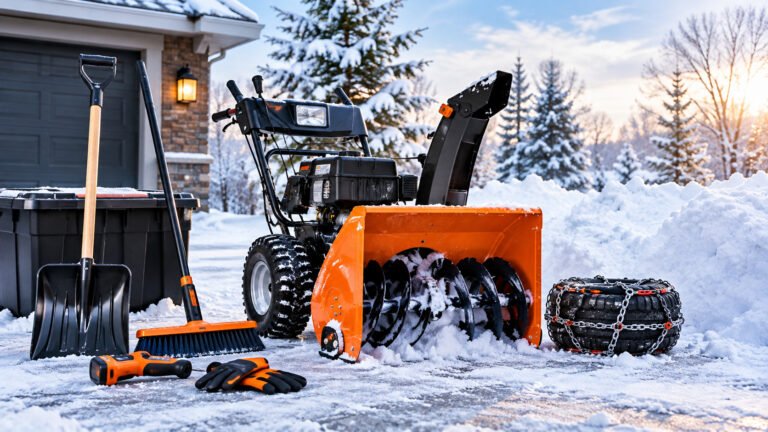
Snow Removal Equipment & Tools: Complete Buyer’s Guide
If you've ever watched a plow truck fly past your commercial lot at 5 AM and wondered what it actually takes to…
Read Article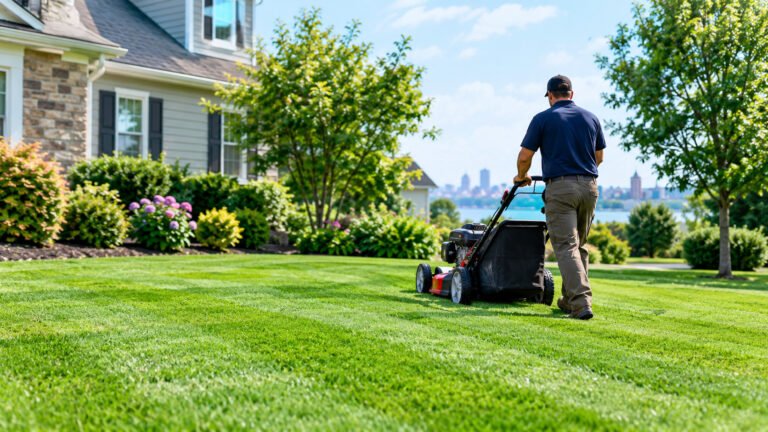
Lawn Mowing Services in Buffalo NY for a Healthy, Beautiful Lawn
A healthy, well-maintained lawn can transform the appearance of your property, improve curb appeal, and create a more enjoyable outdoor space. For…
Read Article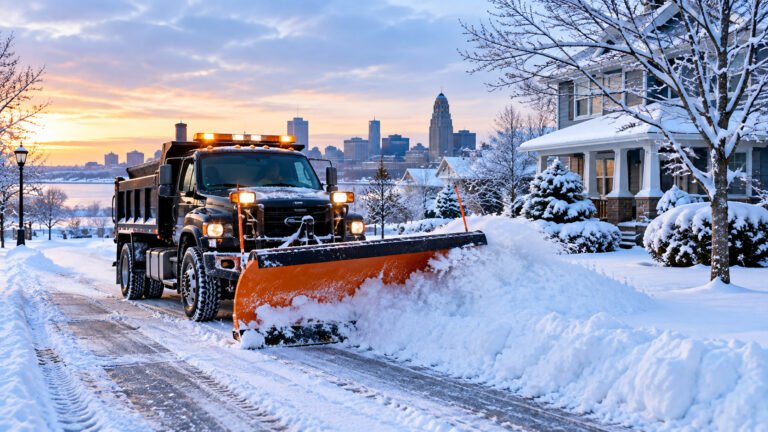
Snow Removal in Buffalo, NY: Your Complete Local Guide
If you've lived here more than one winter, you already know: Buffalo doesn't do "light dusting." We do lake-effect walls of snow…
Read Article